

In this issue...
- 2025 Symposium Recap
- AWE Organizational Updates
- Program Updates
- Research Updates
- Policy Updates
- Member Spotlight
- News Briefs
Water Efficiency & Conservation Symposium
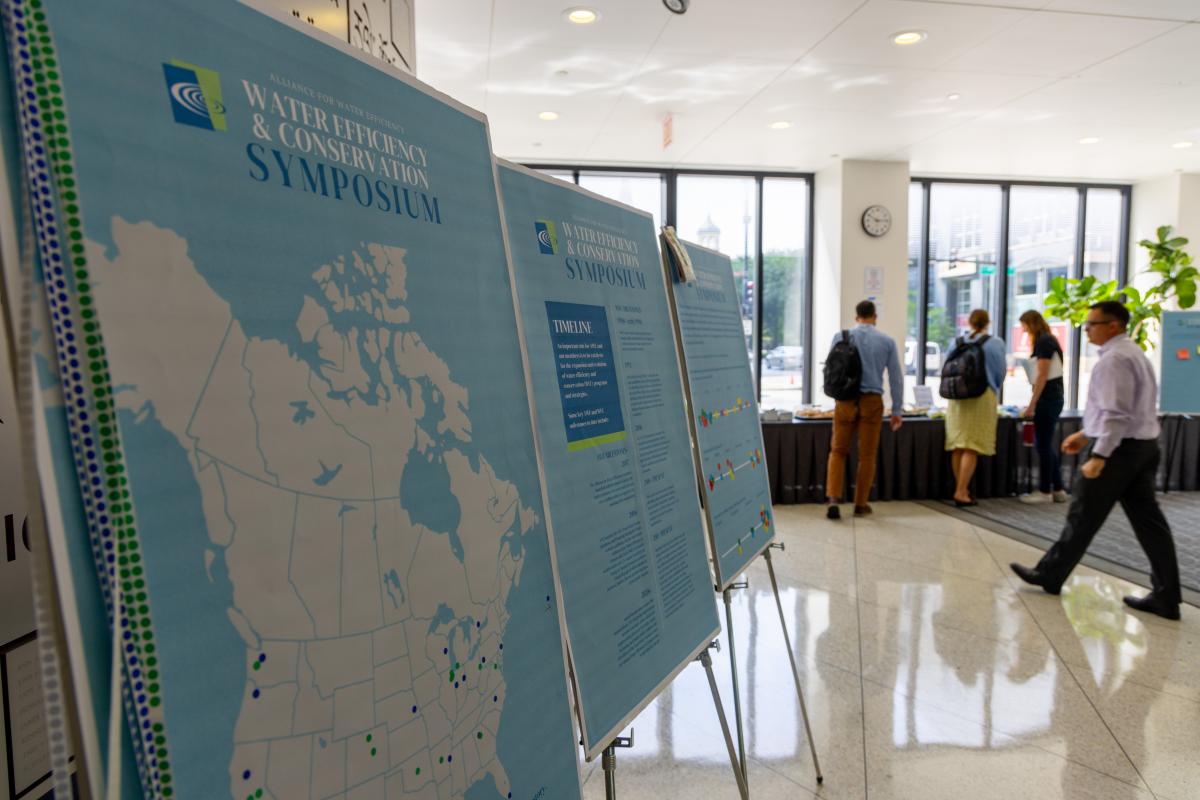
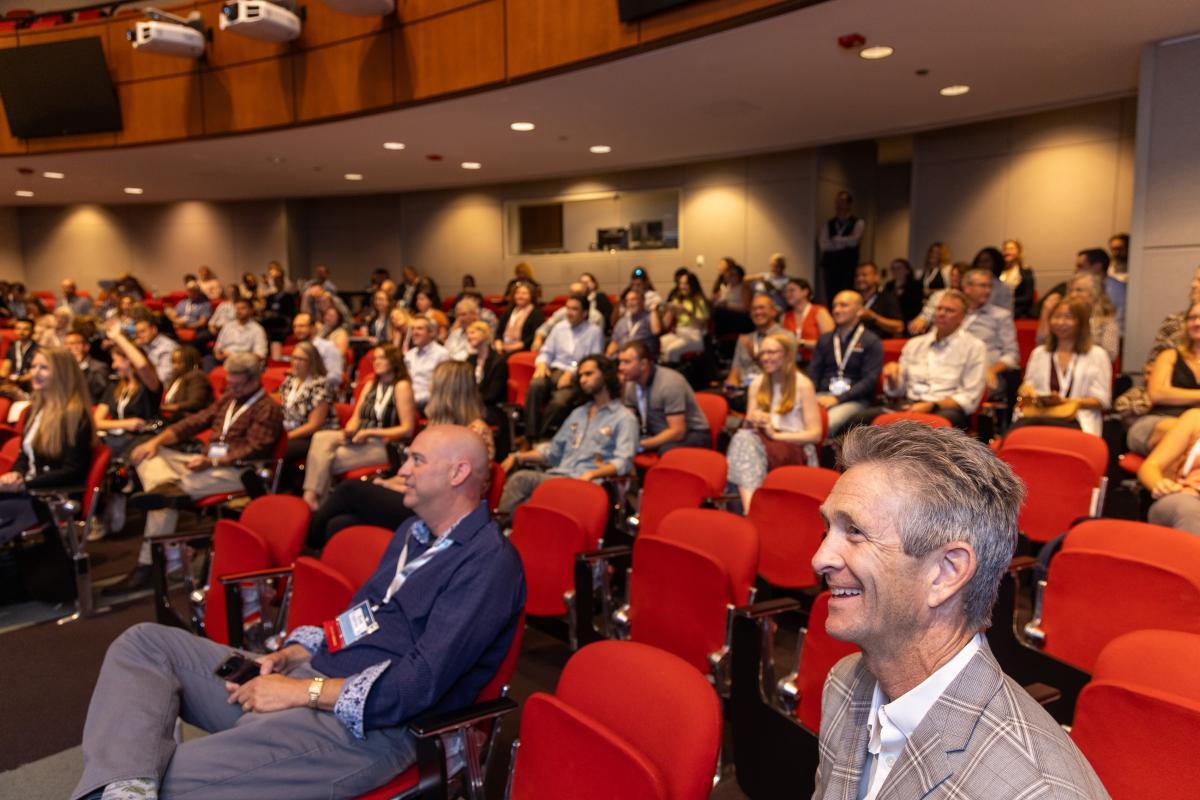
2025 Water Efficiency & Conservation Symposium Recap
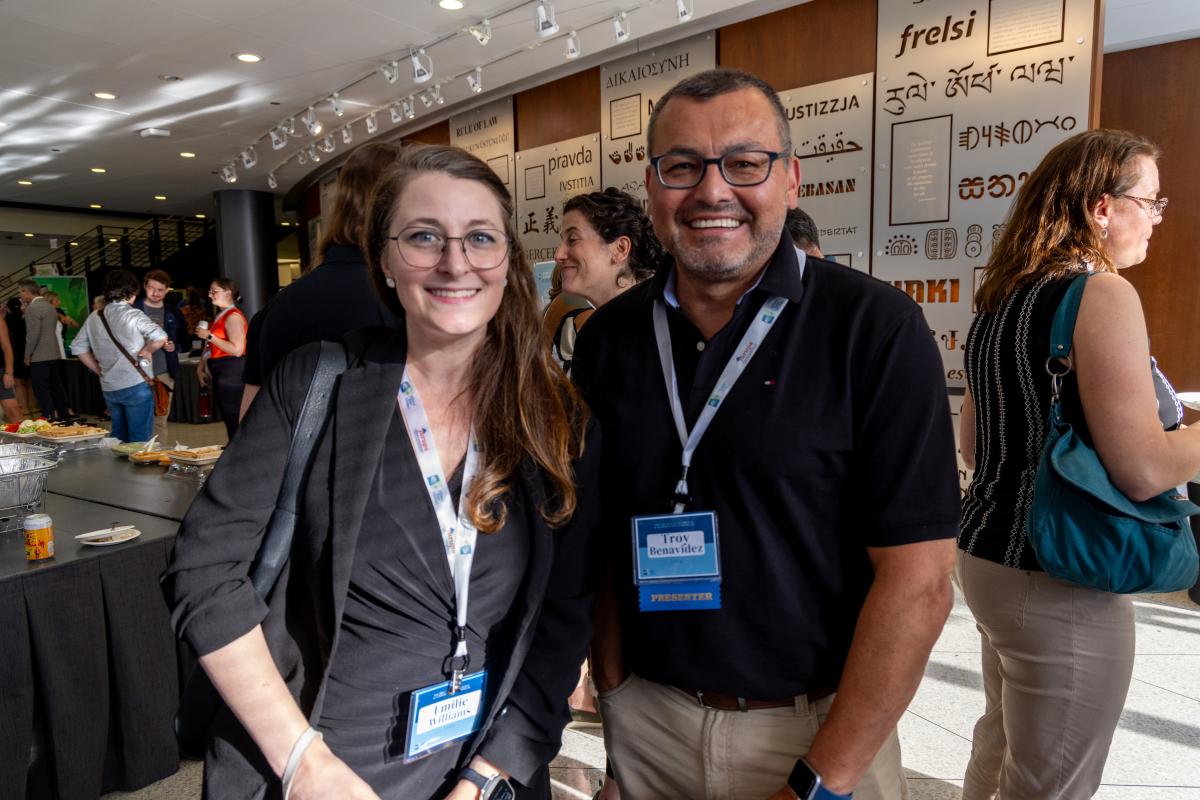
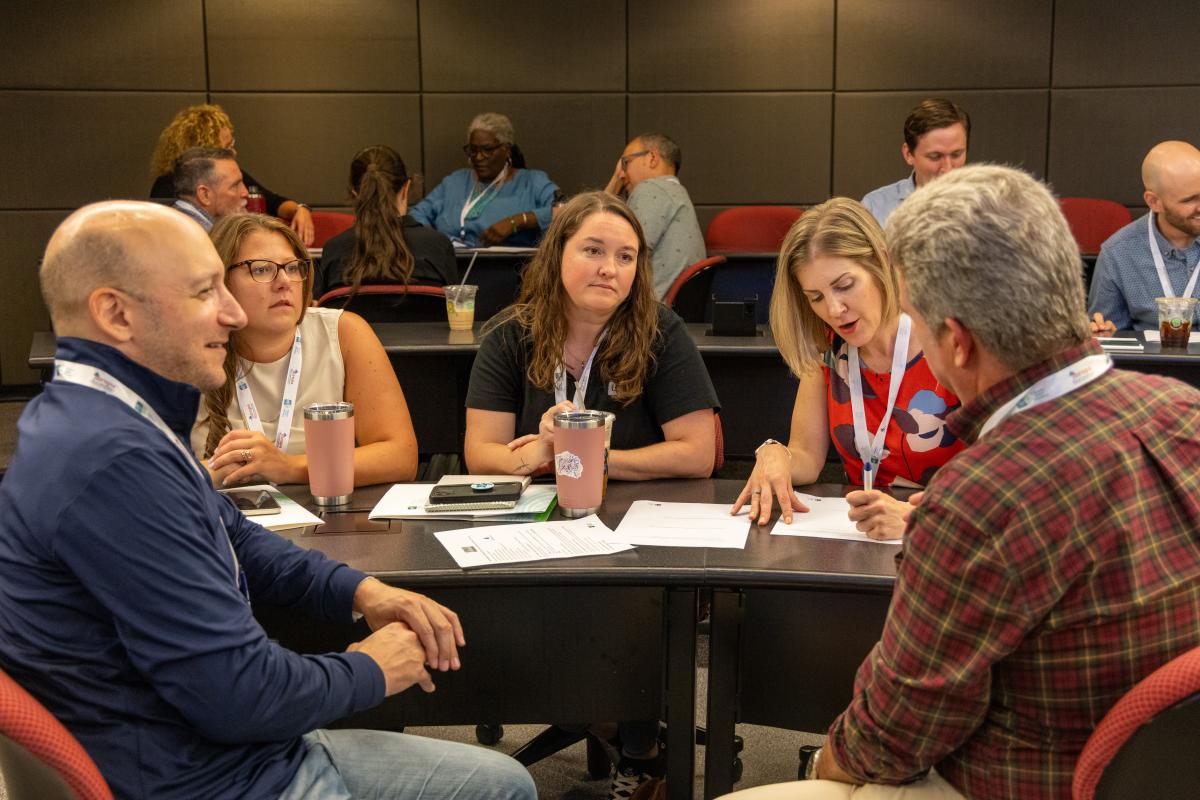
Thank you to everyone who helped make our 3rd Annual Water Efficiency & Conservation Symposium a success! Year after year, attendees tell us that the connections they make during the Symposium are just as valuable as the insights gained from the program itself. This year was no exception; whether it was meeting new colleagues at the Welcome Reception hosted at Island Tiki Hut along the Chicago Riverfront, swapping stories over dinner during Restaurant Roundup, or comparing notes between sessions, the sense of camaraderie never ceases to inspire us. We love seeing members come together to share successes and challenges, and to collaborate on solutions to the most pressing issues facing our field.
This year’s two-track program covered a wide range of topics, including “Data Centers & Water: A Conversation at the Crossroads”, “Rising to the Challenge: When Extreme Weather Events Become the New Normal”, and “First Insights from the Residential End Uses of Water Study and the 50L Home Pilot”, along with timely discussions on state and federal policy changes.
The AWE staff and Board of Directors are optimistic that the conversations sparked in Chicago will ripple across North America as attendees return home with fresh insights, new questions, and promising practices to implement in their communities.
Symposium slide decks are available here. Note: you must be signed in to access this page.
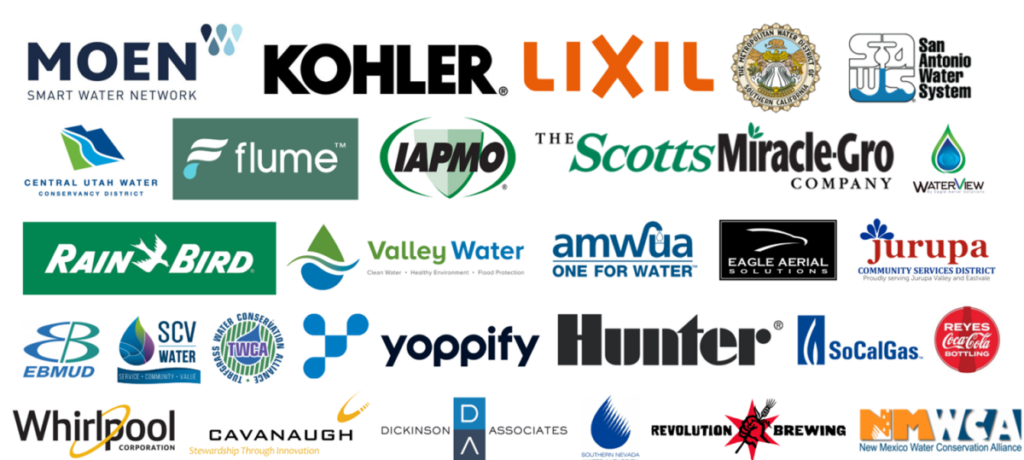
2025 Symposium Sponsors
Thank you to all the generous sponsors partnering with us to host the 3rd Annual Water Efficiency and Conservation Symposium with us in 2025!
AWE Staff Updates
Introducing our New Senior Manager of Programs
In July, we welcomed Johanna DeCotis-Smith to our team as our Senior Manager of Programs! Johanna DeCotis Smith has over 14 years of experience working within the environmental field and has spent 10 years working on a variety of water quantity and quality issues in the State of Georgia. She most recently worked at the Georgia Environmental Protection Division, where she managed the Watershed Compliance Program, as well as engaged with water efficiency, water reuse, and water supply issues as the Manager of the Surface Water Unit in the Water Supply Program. Before joining EPD, Johanna worked at Amec Foster Wheeler as an engineering consultant, now WSP USA.
Johanna earned a Bachelor of Science in Civil Engineering and a Master of Science in Environmental Engineering, both from Georgia Tech. She is also a registered Professional Engineer in Georgia.
Johanna lives in Atlanta with her husband and two kids, and enjoys biking, attending Atlanta United games, and traveling. Johanna is passionate about water efficiency and conservation (even convincing her husband of the benefits of installing a personal water monitoring device in their home).
Program Updates
Talking Data Centers at AWE’s September Water Efficiency Research (WER) Committee Meeting
During the last WER Committee meeting, members examined the growing water demands of data centers. The meeting kicked off with a presentation by the Atlanta Regional Commission, where Celine Benoit provided an overview on data center water use in the Metro Atlanta region and considerations for local communities. Following the presentation, members shared their questions, concerns, and ideas for future research regarding data center water use. Key themes included the need for transparent data and benchmarking on cooling types and regional water use, challenges around permitting and utility involvement, and questions about long-term impacts such as environmental justice, socioeconomic effects, and climate-driven shifts in cooling demand. This conversation underscored both the opportunities and challenges for the water industry driven by data center development and will help inform AWE’s future work in supporting members on this evolving issue.
AWE’s Conservation + AMI (CAMI) Network Convenes on “Advancing Equity Through AMI Data & Programs.”
At the latest CAMI Network meeting, members heard from Randi Jenkins of Austin Water on the utility’s My ATX Water Project where the utility partnered with UT Austin to develop an equity action plan and framework to guide its AMI rollout. The action plan focused on equitable meter deployment, addressing financial hardships from potential bill increases, and digital divide and communications strategies, and has resulted in an estimated 1.71 billion gallons of water savings since 2021. Building on this case study, participants discussed how utilities are using AMI to advance equitable conservation—through leak detection and notifications, irrigation reminders, and commercial benchmarking—while also connecting customers to repair resources and financial assistance. The conversation highlighted both the opportunities and risks of AMI for vulnerable households and underscored the importance of multilingual communication, trust-building outreach, and balancing enforcement with support.
AWE Connects with CalWEP Partners at the CalWEP Fall Plenary
Johanna DeCotis Smith attended the CalWEP Fall Plenary in Los Angeles, CA, to provide AWE updates and build connections with our CalWEP partners in person. CalWEP provided updates about its ongoing efforts to improve equity and engagement in water conservation using its new Multilingual Glossary and Community Insights Tool and its work to help CalWEP members more easily comply with new non-functional turf (NFT) legislation in California using a Comprehensive NFT Toolkit. CalWEP member agencies also provided insight into creative approaches, best practices, and lessons learned to comply with California’s Leak Registry requirements.
Research Updates
Kicking Off WRF #5335, “Per Capita Water Use Calculation”
Water providers, planners, and regulators all rely on per capita water use — but what that number reflects can vary wildly. Better metrics can lead to smarter decisions, better planning, and more trust in data — but first, we need consistency. AWE, The Brendle Group, and Pacific Institute will be tackling this industry-wide challenge as partners on The Water Research Foundation (WRF)’s project #5335, “Per Capita Water Use Calculation.” This project aims to evaluate and standardize the calculation of per capita water use across North America by developing a universally applicable framework and Excel-based tool grounded in stakeholder input, past research, and aligned methodologies. The project will enhance comparability, support effective water planning, and lay the foundation for a future AWWA standard through practical application, clear guidance, and replicable case studies across diverse contexts. Thank you WRF for providing funding support for this initiative!
Participate in AWE’s Research Project, “Characterizing Water Use in Low-Income Households”
With generous funding from the Metropolitan Water District of Southern California’s Innovative Conservation Program (ICP), AWE is excited to have kicked off its latest water affordability initiative, a research project titled “Characterizing Water Use in Low Income Households.” Building off of AWE’s 2024 policy white paper, this project will explore and characterize the extent to which leaks from inefficient appliances and fixtures contribute to immediate and long-term household water affordability challenges. The project aims to help shape proactive, preventative programs that seek to address both short-term and long-term challenges associated with water affordability and may support the creation and implementation of local, state, and/or federal water efficiency and infrastructure repair assistance programs.
We are looking for water utilities in California & beyond to participate in this study. Contact devin@a4we.org to express your interest or for more information.
Participate in AWE’s 2025 AMI Engagement Benchmarking Survey
Is your utility using AMI to engage with customers or thinking about it? Take AWE’s industry-wide AMI Engagement Benchmarking Survey.
- Why? Help us benchmark how water providers across North America are leveraging AMI data to advance conservation and efficiency through customer engagement and leak notification programs.
- Who? Water agencies and utilities. Even if your utility doesn’t have AMI yet, your input still matters!
- How? It takes ~1 hour to complete. All responses are confidential.
- When? Complete it by Friday, October 31st.
Publication Coming Soon: Peak Water Demand Trends and Management Strategies Across North America
AWE submitted its final report for WRF #5265. The report explores peak demands drivers and trends across four core case studies, identifies peak demand management strategies and considerations, and provides examples and guidance for how to adopt and advance strategies across a diverse range of geographical, organizational, and demographic constraints. The report will be published on WRF’s website in the coming months.
AWE would like to express gratitude to WRF for their funding and support, and to the project’s participants – Metropolitan North Georgia Water Planning District, City of Westminster, California Water Service, New Jersey American Water, San Antonio Water System, North Texas Water Development Board, City of Bozeman, and Regional of Peel – for contributing their time, data, and expertise to this effort.
To stay up to date with AWE’s research, check out the Active Research section on our webpage here.
Policy Updates
Championing the Water Conservation Rebate Tax Parity Act
AWE continues to advocate for passage of the Water Conservation Rebate Tax Parity Act—bipartisan, bicameral legislation that would eliminate federal taxation of water efficiency rebates, a disincentive to participation, and an administrative burden for agencies that issue them. Throughout Q3, AWE met with members and their respective Congressional delegations, particularly across the Colorado River Basin, to build support and encourage additional cosponsors in both chambers. We remain optimistic about the growing momentum for this commonsense reform.
Organizations interested in getting involved can reach out to AWE Director of Public Affairs, Kelly Connolly Kern at kelly@a4we.org.
AWE Partnering to Defend ENERGY STAR & WaterSense Funding
Since the start of the new administration, Alliance for Water Efficiency has been actively engaged in a national coalition working to defend the voluntary ENERGY STAR and WaterSense programs, as well as longstanding federal water and energy efficiency standards.
The Senate and House appropriations committees have voted to continue funding for the WaterSense and ENERGY STAR programs at levels consistent with prior years. While the Administration’s budget proposal recommended eliminating funding for ENERGY STAR, the Trump administration appears to support WaterSense, albeit operating at a slower pace. Both programs continue to enjoy broad, bipartisan support. Manufacturers, retailers, utilities, and advocates alike recognize the value WaterSense and ENERGY STAR offer, and Congressional appropriators maintained their funding accordingly. AWE has collaborated with various partners, including Plumbing Manufacturers International, IAPMO, and the Appliance Standards Awareness Project, to secure support for these programs in Congress.
AWE Defends Federal Efficiency Standards for Appliances and Plumbing Fixtures
Congress is considering changes to the U.S. Department of Energy’s efficiency standards under the Energy Policy and Conservation Act (EPCA); long-standing protections that apply to appliances and plumbing fixtures such as dishwashers, clothes washers, toilets, and showerheads. At a recent House Energy Subcommittee hearing, lawmakers debated H.R. 4626, the “Don’t Mess with My Home Appliances Act,” which would make it easier for DOE to amend or roll back these standards and require tougher proof of energy and water savings.
These standards have saved consumers billions of dollars and driven major reductions in both energy and water use nationwide. AWE strongly supports EPCA’s appliance and plumbing fixture standards and opposes efforts to weaken them. We are closely monitoring these developments and will continue to keep members informed on how any changes could impact water conservation and efficiency efforts. Read the article in Utility Dive for full details
To stay up to date with AWE’s policy work, check out our Policy Priorities and Policy Activities sections of our website.
Recent Webinars
Advancing Sustainability Through Household Consumer Products Guidance Webinar
Join AWE on October 21, 2025 (1–2 p.m. CST) for the release of our groundbreaking new report, Advancing Sustainability Through Household Consumer Products: Guidance & Insights for Estimating & Communicating Water Savings.
Developed in partnership with Bluerisk and supported by Procter & Gamble through the Bonneville Environmental Foundation, this tool provides a practical framework to help guide companies and researchers consistently estimate and communicate water savings from household consumer products and campaigns.
During this webinar, experts will share why household water use matters, showcase pilot project results from the 50L Home Pilot, and walk through the report’s guidance. You’ll leave with actionable insights to improve the credibility and impact of water-saving products and programs. Register here.
Texas Drought Enforcement Webinar
The Texas Section AWWA, AWWA, and AWE hosted a webinar on drought enforcement on Wednesday, May 28th.
Current weather is heating up, which means summer and “watering season” are on the way! This informative webcast presented the current weather conditions and summer outlook across Texas. Watch the recording to hear from representatives with AWWA and AWE about available resources for utilities on drought messaging, strategies, and studies. And we’ll hear from some utilities about the strategies that are working for them when it comes to enforcing drought restrictions and educating their customers. Watch the recording here.
AWE Member Spotlights
City of Phoenix and IAPMO Partner Together
Earlier this summer, the City of Phoenix announced the adoption of the 2024 Phoenix Building Construction Code, which incorporates the 2024 edition of IAPMO’s Uniform Plumbing Code® and Appendix M: the Water Demand Calculator—a breakthrough tool for modern plumbing design. Implementation of the new code began on August 1st of this year.
“The Uniform Plumbing Code and the Water Demand Calculator empower plumbing professionals to design right-sized systems that reduce construction costs, conserve water, and deliver hot water more efficiently,” said IAPMO CEO Dave Viola. “We applaud Phoenix for taking this important step toward building a more resilient, equitable, and sustainable city.” Congratulations to the City of Phoenix and IAPMO for partnering together to improve water and energy efficiency and quality through the adoption of this code!
Town of Ipswich Shares Drought Resources
Rachael Belisle-Toler, Water Resources Manager with Ipswich Utilities in Massachusetts, was recently featured in her local paper sharing ways that residents can take advantage of the water department’s resources and in-house expertise to save water and effectively navigate the drought that the area is facing. The utility offers a range of resources to residents including rebates for rain water harvesting and high-efficiency appliances and one-on-one technical assistance to help residents create drought tolerant landscaping on their properties.
Congratulations to Rachael, AWE’s 2024 Up & Comer Awardee, for leading the way in Ipswich and empowering neighbors and customers with the information they need to save water and money!
New Research on Indoor Water Use Across U.S. Homes Features Data from AWE Members
A new study released earlier this summer, Patterns and Predictors of Residential Indoor Water Use Across Major U.S. Cities, coauthored by AWE member and 2025 Water Star Awardee Peter Mayer, provides one of the largest snapshots to date of how Americans use water inside their homes. Using data from more than 26,000 single-family households across 39 cities, collected by AWE business member Flume, the research shows toilets account for roughly 40% of indoor water use, followed by showers at about 30%. Dishwashers, on the other hand, used the least.
The study also uncovered interesting trends: humidifier use is strongly linked to higher overall consumption, while older homes (built before 1985) were associated with lower usage. Published in Earth’s Future, the findings offer valuable insights to help communities and utilities design more effective conservation strategies.
Northern Water’s Sustainable Landscape Templates
After the 2021 Marshall Fire destroyed more than 1,000 homes, Northern Water partnered with Norris Design, community stakeholders, and an advisory committee to create six free, scalable landscape templates for rebuilding and beyond. Featured recently in this article by AWWA, these templates help homeowners design yards that are fire-smart, water-wise, and pollinator-friendly, complete with irrigation details, plant lists, cost estimates, and maintenance guides. Covering a range of lot types, the plans make sustainable landscaping accessible and practical, while Northern Water’s new demonstration gardens bring the designs to life for the community. Check out Northern Water’s six templates here.
Upper Trinity Regional Water District
Congratulations to our Texas member, Upper Trinity Regional Water District, on the success of its “Give a Drip” public awareness campaign launched earlier this year. Promoted throughout their service area, the campaign encourages residents to conserve water, follow local watering schedules, and reduce their environmental impact. The online resource hub offers practical tools, including irrigation system tips, lawn and garden guidance, native plant ideas, and weekly watering reminders.
The Town of Flower Mound, one of Upper Trinity’s customer cities, took the campaign a step further by creating a fun, in-house “Give a Drip” music video, bringing the message to life with creativity and local flair. Click here to listen to this summer’s best water efficiency ballad!
News Briefs
Move Over, Green Lawns. Drier, Warmer Climate Boosts Interest in Low-Water Landscaping. Read More.
For the Future of Water Conservation, Look to…Los Angeles. Read More.
‘Interesting Bedfellows’ Unite to Save ENERGY STAR Label. Read More.
Proposed Data Center Prompts Tucson to Regulate Large Water Users, Require Conservation. Read More.
Amid ‘Tense’ Colorado River Negotiations, Water Summit Keeps Focus on Conservation Efforts. Read More.
Humanity is Rapidly Depleting Water, and Much of the World is Getting Drier. Read more.






 AWE has been working hard for its members and water-efficient policies on multiple levels – U.S. Congress, the Executive Branch, and State Legislatures. We’ve posted AWE’s 2023 policy priorities on our website, and we ask any interested members and partners with ideas on these policy priorities, additional priorities, or how to accomplish them, please reach out to our new Senior Manager of Policy and Programs,

 Congratulations to the city of Santa Rosa, which, since 2007, has transformed over 4 million square feet of grass into beautiful, water-saving landscapes with efficient irrigation systems, like drip irrigation, through the Cash for Grass rebate program and technical support.
 Much of North America and the world are grappling with a warmer, drier climate that results in less water being available to meet basic human needs, support businesses, sustain ecosystems, and grow food. The Colorado River Basin, with Lake Mead approaching “dead pool” status, is a conspicuous example of how dramatically the water supply math is changing because of climate change and population growth. But water scarcity is not limited to the southwestern U.S.
  that much of North America is on pace to experience water shortages if we don’t manage water better.
 A new Colorado law provides $2 million for the voluntary replacement of irrigated turf with water-wise landscaping. Local governments, certain districts, Native American tribes, and nonprofit organizations may apply for funds to finance their irrigated turf replacement programs. The bill defines water-wise landscaping as a water- and plant-management practice that emphasizes using plants with lower water needs. Earlier this year, Utah approved $5 million for a similar program.
 The Alliance for Water Efficiency held a series of regional member meetings to address common challenges. Meetings were held for:
 AWE members can now access a 10% discount on WaterView™ from Eagle Aerial Solutions. WaterView™ combines multiple data sets (daily local ET readings, parcel data, demographic data, irrigated landscape square footage, household size, etc.) to allow precise, targeted conservation efforts at the district, group, and customer levels. Currently, over 50 water agencies are using WaterView™ to analyze total water allocation at the parcel level, help spot water use trends, and track and manage over-allocation users within each district.
  AWE and The Scotts Miracle-Gro Foundation released a report detailing the projects funded by the Learning Landscape Grant Program. The grants, funded by the Scotts Miracle-Gro Foundation, support building or improving educational outdoor spaces at schools, botanical gardens, and community locations that allow school-age children to experience hands-on learning about water efficiency in outdoor landscapes.
 Smart Irrigation Month
 P&G Unveils Strategy to Help Address Global Water Crisis
 AWE partner City of Sacramento is asking residents to reduce their water use by 20%, and offering rebates and reimbursements for water efficient upgrades. Customers can get rebates for a WaterSense-labeled smart irrigation controller, drought-tolerant landscaping, rain barrel, and more.
  The federal Infrastructure Investment and Jobs Act allocates $400 million over 5 years for WaterSmart Grants. Funding opportunities for drought resiliency projects are open for FY23. Applicants must be based in or in partnership with an entity in one of the following locations: Alaska, Arizona, California, Colorado, Hawaii, Idaho, Kansas, Montana, Nebraska, Nevada, New Mexico, North Dakota, Oklahoma, Oregon, South Dakota, Texas, Utah, Washington, Wyoming, American Samoa, Guam, the Northern Mariana Islands, the Virgin Islands, or Puerto Rico.
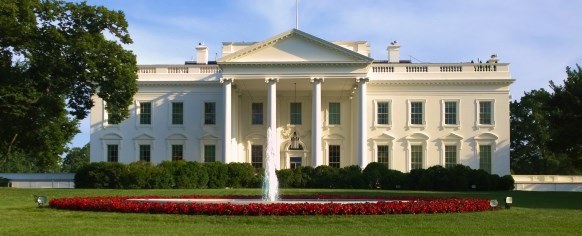 President Biden's proposed 2023 budget includes funding for water infrastructure resiliency programs that were authorized in last year’s Infrastructure Investment and Jobs Act (IIJA). WaterSmart grants that prioritize water efficiency received $400 million from IIJA. However, some of the resiliency programs were only authorized and still need to be funded through the budget. AWE sent a letter to the White House encouraging President Biden to include funding for these programs in his budget, and we applaud that he did.
 AWE Partner Boss Defrost announced a partnership with Whole Foods Market to use its water-saving device for defrosting food in over 40 stores serving communities in Colorado, Kansas, Missouri, Nebraska, New Mexico, Utah, and Texas. Boss Defrost is an appliance designed to safely thaw sealed, frozen food in both commercial and residential kitchens.
  AWE partner Flume hosted a webinar on April 28 to provide a quarterly analysis update on water use across its top 15 US Metropolitan Areas during Q1 2022. Flume reviewed indoor and outdoor residential water use patterns, and appliance and fixture level data from its nationwide network of sensors.
  AWE Partner City of Charlottesville (VA) has hired CMTA Energy Solutions to assess over 40 buildings in its government and school portfolio, seeking opportunities to drastically reduce energy and water use, achieve high levels of utility bill savings, and add renewable energy systems. Cost savings strategies and systems upgrades under consideration include standardizing HVAC equipment, HVAC controls, and plumbing fixtures citywide.
  The agenda for the Next Generation Water Summit (NGWS) has been finalized. The NGWS returns virtually May 19-20, 2022 with the theme "Growth in the Time of Drought." There will be multiple tracks devoted to this pressing issue, as well as multiple, concurrent tracks each day featuring national speakers and topics. Two national tracks will take place on Thursday, May 19th immediately after the opening keynote by Robert Glennon. Thursday’s highlights include:
 The Value of Water Campaign conducted its annual survey of voter support for water infrastructure investment. The survey found that 84% of respondents believe that a reliable water supply is extremely or very important. Another 12% said somewhat important.
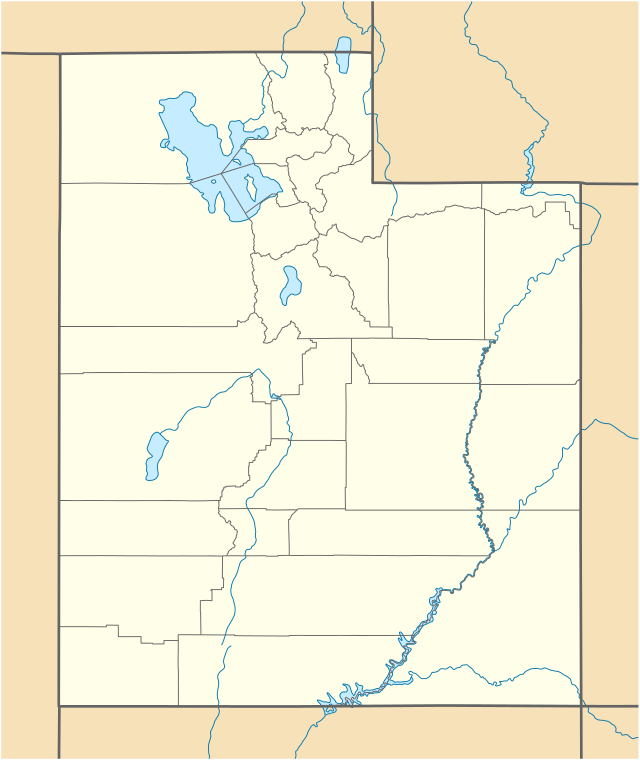 With 99% of Utah in severe drought and 28 of Utah's largest 45 reservoirs below 55% of available capacity, Utah has adopted a dozen new laws intended to support water efficiency and conservation and to protect the Great Salt Lake. The laws include a statewide turf buy-back program, $250 million for metering, and a requirement to integrate land use and water planning.
  It's that time of year again to hunt down the drips for Fix a Leak Week! This annual initiative from EPA WaterSense encourages homeowners across the country to fix water-wasting leaks in toilets, faucets, irrigation systems, and other places in and around the house. Participate this year from March 14-20 through family fun runs, leak detection contests, WaterSense demonstrations, and more. Fix a Leak Week events happen from coast to coast and are all geared to teach you how to find and fix household leaks.
  Did you miss out on the opportunity to educate your customers during Fix-A-Leak Week? AWE partner Green Media Creations, a leader in water conservation education and outreach, offers different options to present their Leak Detection class, which includes providing an on-demand option. Your customers can watch at their leisure!
 AWE Partner City of Roseville (CA) offers multiple resources for residents and commercial businesses to conserve water, including house calls, rebates, workshops, events and online tools. Their programs helped reduce water use 27% between November 2020 and November 2021.
  There's still time to register for the 7th Biennial Emerging Water Technology Symposium (EWTS), to be held in San Antonio, TX, May 11-12, 2022.
 AWE is excited to announce the addition of two exemplary wholesalers to the G480-20 Leaderboard: Metropolitan Water District of Southern California, and Upper Trinity Regional Water District (TX).
 The Alliance for Water Efficiency once again praised the Department of Energy (DOE) for reversing Trump-era rulemakings that undermined water efficiency standards. On December 16, 2021, DOE reversed weakened showerhead standards, and similar rules for dishwashers and clothes washers were restored effective February 18, 2022. AWE had rallied our network to oppose the weakened standards and filed a lawsuit when the rules were adopted over our objections.
 Water leaders in Arizona, Nevada, and California signed an agreement last month to voluntarily reduce their take from the Colorado River Basin to help manage steep declines in water supplies due to prolonged drought and climate change that scientists believe is likely to be the new normal. There has been less rain and snow falling on average, and evapotranspiration and dry soils related to warmer temperatures results in less of precipitation making it to rivers and reservoirs. The agreement, known as the “500+ Plan,” was signed at the Colorado River Water Users Association annual meeting in Las Vegas. States are now required to cut 500,000 acre-feet in 2022 and 2023, or enough to serve 1 million to 1.5 million households annually, depending on water usage and conservation in the area. This is viewed as a stop-gap plan to deal with severe water shortages and low water levels in Lakes Mead and Powell. There is growing recognition that a comprehensive water efficiency and conservation plan is needed to manage the trend towards less available water. The plan also requires financial investment from the states. The federal government would match the funding, for a total of $200 million.
 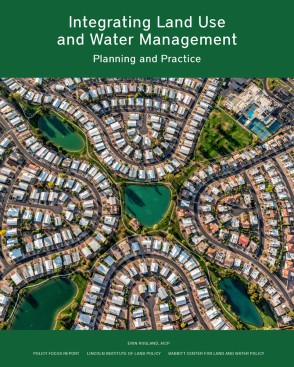 AWE was pleased to contribute research to a new report from the Lincoln Institute of Land Policy titled, Integrating Land Use and Water Management. This report describes the overall benefits and connection points between land use and water management; explores existing regulations related to integrated planning, both within comprehensive land use plans and water management plans; provides case studies of successful integrated planning within specific communities; and provides policy recommendations for encouraging and solidifying coordinated planning, whether through regulation or not.
  AWE is excited to welcome Clover Rogers, Conservation Coordinator at Jurupa Community Services District, and Dain Hansen, Executive Vice President of Government Relations at the International Association of Plumbing and Mechanical Officials (IAPMO) Group, to its Board of Directors!
 Dain oversees international, federal legislative, and state policy initiatives impacting the plumbing industry in the U.S. and abroad. Dain also serves on the executive management of IAPMO’s nonprofit arm, the International Water, Sanitation and Hygiene Foundation (IWSH).
 AWE would like to acknowledge its outgoing Director of Programs, Bill Christiansen, who is leaving the Alliance after over 13 years of service to the organization. Bill earned his Master of Science in Geography from Southern Illinois University in 2002, then got his start in the water resource management field with a consulting firm that specialized in water demand forecasting and water conservation program analysis. As AWE’s first official employee in 2007, Bill led the program department and worked on the Water Efficiency and Conservation State Scorecard, outdoor water savings research, the AWE Water Conservation Tracking Tool, Cooling Tower estimating model and Cooling Technologies study, Sales Forecasting and Rate Model, and much, much more. The Alliance wishes Bill all the best in his future endeavors, and thanks him for his hard work and dedication to water efficiency.
 AWE partner Athens-Clarke County is calling for submissions for its Ripple Effect Film Project. This initiative challenges local K-12 students to write, produce, and star in short, water-themed films. This year's theme is "Healthy Water, Healthy World." The finalists' films are shown on the big screen during the Blue Carpet Premiere, where the winners are announced and cash prizes awarded.
  AWE is proud to announce that the City of Santa Barbara has received Platinum Status for the new AWE G480-20 Leaderboard. Santa Barbara, which also achieved a Platinum Status for the Legacy AWE G480-13 Leaderboard, becomes the first utility to be recognized by AWE for complying with the recently updated G480-20 Standard.
 The Alliance for Water Efficiency was proud to be a part of the incredibly successful WaterSmart Innovations Conference last month! Thank you to everyone who made it such an educational, productive and fun experience.
 AWE Member of the Year Award
 AWE's Water Star Award celebrates "unsung heroes" in water conservation, the quiet water conservation practitioner working in the trenches who makes a huge difference by their dedication, passion, and progressive approaches.
 Rachio Smart Irrigation Controllers and Flume Smart Home Water Monitors are available at significant discounts for AWE water utility members, with the option to increase the discount in your service area with conservation funds. The sale and delivery of these devices are handled entirely by Rachio and Flume.
 Rachio
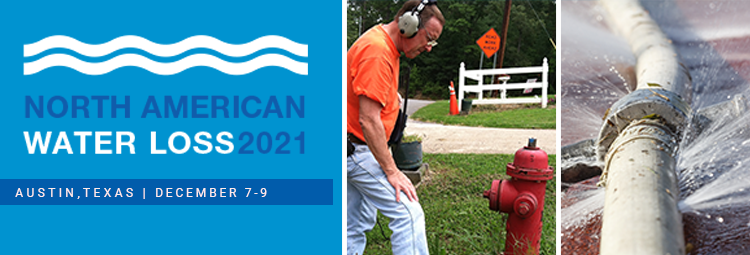 Registration is open for the 2021 North American Water Loss (NAWL) Conference, to be held in Austin, TX, December 7-9. NAWL is a platform to learn about processes, methods, techniques, and regulatory developments related to strategies for reducing non-revenue water loss. The conference will also feature an Exhibit Hall with leading technology and companies providing solutions.
  The co-conveners of the Emerging Water Technology Symposium (EWTS) are looking forward to welcoming everyone in person May 10-11, 2022 in San Antonio. The conference is seeking abstracts on a variety of topics, including Water-Energy Nexus, Water Efficiency in Buildings, Water Quality Issues, Alternate Water Sources, and more. The abstracts deadline is December 3, 2021.
  to learn more.
 Congratulations to all the grant recipients!
 AWE Partner Southwest Florida Water Management District has awarded $104,941.81 in Splash! grants to 48 educators. The program provides up to $3,000 per school to enhance knowledge of freshwater resources with hands-on learning among kindergarten through 12th-graders. Grant recipients will take field trips to facilities that offer hands-on environmental education for freshwater or estuarine studies. Funds will also go toward purchasing water quality equipment allowing students to conduct experiments in the classroom.
  World Toilet Day, a United Nations initiative to tackle the global sanitation crisis, is November 19. Today, nearly half the world’s population lives without a 'safely managed sanitation service': a toilet, not shared with other households, that either treats or disposes of human waste on site, stores it safely to be emptied and treated off-site, or connects to a functioning sewer. AWE knows that effective sanitation systems are crucial to a sustainable water future, and has been a continued advocate for investments in plumbing infrastructure.
  AWE and CalWEP are thrilled to release Version 4 of the Water Conservation Tracking Tool. Version 4 represents the biggest update of the Tracking Tool since it was first issued in 2009. The Tracking Tool is an Excel-based model that can be used to evaluate the water savings, costs, and benefits of conservation programs, and is free for AWE members.
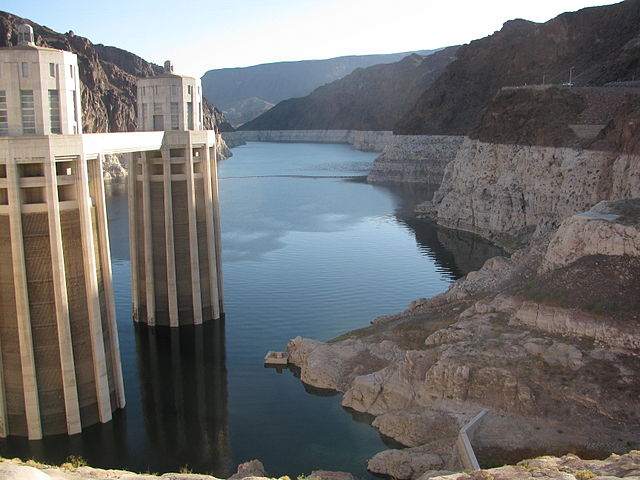 Last month, the federal government declared a water shortage for Lake Mead and the Colorado River, meaning that individual states will have water allocations cut starting in January.
 Don’t Miss WSI and AWE Meetings in Las Vegas
 Conservation Rebate Tax Parity Act
 Tucson Water Rainwater Harvesting
 Park City & Xylem Tackle Waterloss
 AWE partner Orlando Utilities Commission is offering a rebate up to $200 to its customers for installing EPA WaterSense labeled irrigation controllers. These devices use local weather and landscape conditions to tailor watering schedules to actual conditions on the site.
  As much of North America continues to deal with severe drought, the Alliance for Water Efficiency is pleased to offer numerous resources to help our members and partners manage the challenges of drought conditions.
 Congratulation to AWE Technical Advisor and former Editor of Water Efficiency Watch, Peter Mayer, for winning the George Anderson Award from the AWWA Water Meter Standards Committee. Named for the former chief engineer at Sensus, this lifetime achievement award honors professionals that "actively advance the science of water meters through design innovation, meter operation/management, or the training of others, in a manner that unselfishly serves the mission of the AWWA."
 AWE is closely monitoring the
 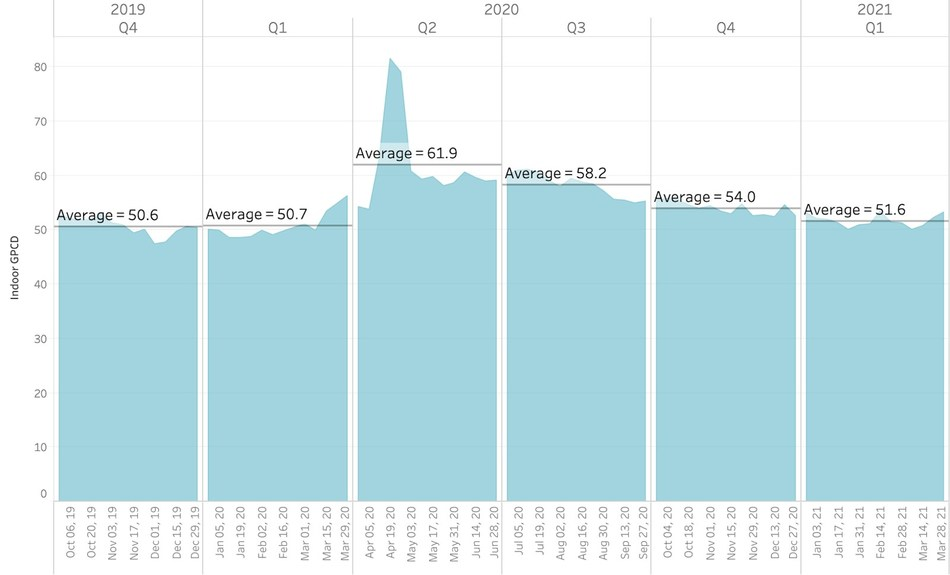 What is perhaps most remarkable is that the Flume Index will be produced every quarter from now on. No more 17-year waits between end use studies. The Flume Household Water Use Index will be presented every quarter. The Q2 index, scheduled for July 2021, will feature an analysis of leakage in homes across the US in addition to regular reporting on indoor per capita use and outdoor per household use.
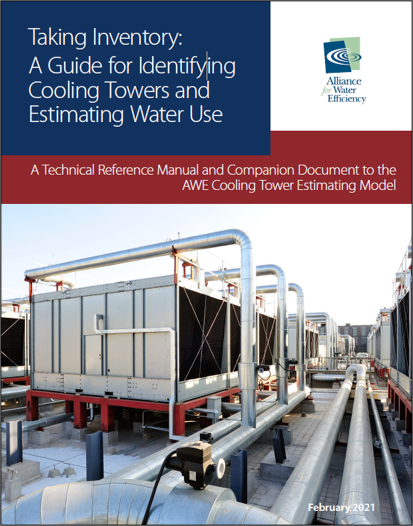 AWE's recently-released Cooling Tower Estimating Model (CTEM) and the accompanying guide titled, Taking Inventory: A Guide for Identifying Cooling Towers and Estimating Water Use, is a ground-breaking innovation in cooling tower water efficiency. This first-of-its-kind model is an Excel-based tool that provides an estimated range of the number of water-cooled facilities, number of cooling towers, total cooling capacity, water use, and water conservation potential for a utility service area based on a minimal amount of input data.
 AWE recently released a report that evaluates connection fees and service charges by meter size for 50 communities in the United States. The main purpose of this research was to explore connection fees and recurring charges that vary by meter size, and the potential financial implications for water utilities that would be associated with a possible trend in downsizing the meter sizes of new connections. This work was prompted by recent innovations in pipe-sizing methodologies and the increased interest in right-sizing plumbing systems, along with the potential efficiency and conservation impacts that may result from these changes.
 The WaterSmart Innovations Conference and Exposition (WSI) is the largest urban water-efficiency conference of its kind in the world. Presented by the Southern Nevada Water Authority, AWE, and numerous other forward-thinking organizations, WSI is recognized as the world's pre-eminent urban water efficiency conference. Join us October 6-7 in Las Vegas for this exciting gathering of water efficiency professionals.
  Register today for The Next Generation Water Summit, an annual conference bringing together the building and development community, water reuse professionals, and water policymakers in a collaborative setting. This year's summit will be held virtually from June 2-4, 2021. Don't miss this opportunity to share best practices and learn about innovative water conservation and water reuse techniques. AWE's Director of Programs, Bill Christiansen, will be one of the speakers, alongside numerous AWE members and partners.
  Early bird pricing ends May 26 for the California Water Efficiency Partnership (CalWEP) Peer to Peer 2021, which will be held virtually June 2-3. The 5th Annual Peer to Peer will give water professionals an opportunity to connect, collaborate, and grow. From webinars where you can earn CEUs, to peer-designed and peer-run workshops, this not-to-be missed conference will combine high-quality content and easy-to-access digital engagement to AWE/CalWEP members and partners. Register early to save $50!
  The Alliance for Water Efficiency (AWE) is excited to announce the hiring of Ron Burke as its new President and CEO. After spending the first twenty years of his career working on environmental policy and programs for nonprofits, the U.S. Environmental Protection Agency (EPA), and the Illinois EPA, Ron has devoted the last decade to leading a sustainable transportation nonprofit and, more recently, working in the private sector with Lyft Bikes and Scooters.
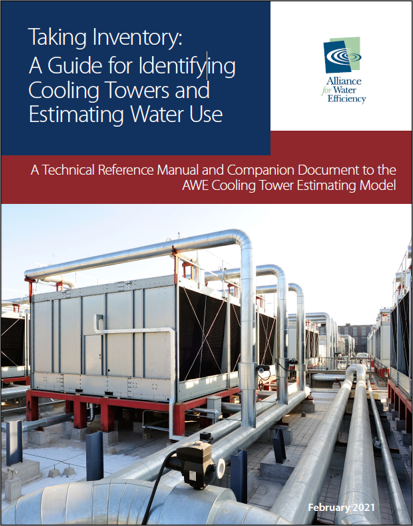 AWE has released its highly-anticipated Cooling Tower Estimating Model (CTEM) and the accompanying guide titled, Taking Inventory: A Guide for Identifying Cooling Towers and Estimating Water Use. The AWE Cooling Tower Estimating Model (CTEM) is an Excel-based tool that provides an estimated range of the number of water-cooled facilities, number of cooling towers, total cooling capacity, water use, and water conservation potential for a utility service area based on a minimal amount of input data. CTEM can also be used to develop a cooling tower inventory, a critical first step in creating or refining a cooling tower water efficiency program.
 AWE Board Vice-Chair Ron Voglewede, Global Sustainability Director at Whirlpool Corporation, is one of 14 Michigan experts appointed by Governor Gretchen Whitmer to the state’s new Council on Climate Solutions. The Council was created in September, 2020 and acts in an advisory capacity to Governor Whitmer and the Michigan Department of Environment, Great Lakes, and Energy (EGLE) to formulate and oversee the implementation of the Michigan Healthy Climate Plan, which will serve as the action plan for this state to reduce greenhouse gas emissions and transition toward economywide carbon neutrality.
 Save the dates for the WaterSmart Innovations Conference and Exposition (WSI) in Las Vegas, October 6-7, 2021. Presented by the Southern Nevada Water Authority and numerous forward-thinking organizations, WSI is the largest urban water-efficiency conference of its kind in the world.
 The American Water Works Association released an update to its voluntary G480 Standard in February. The standard titled, Water Conservation and Efficiency Program Operation and Management,
 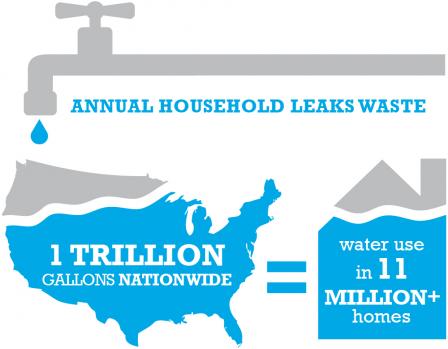 Save the dates for the annual EPA WaterSense Fix a Leak Week, March 15-21, 2021. WaterSense created new tools to assist with planning and implementing remote outreach efforts:
 The U.S. Department of Energy (DOE) announced a final rule that adopts a revised definition for "showerhead," and separate definitions for "body spray" and "safety shower showerhead". These products are exempt from current efficiency standards, meaning that the shower in this picture will now be legal.
  Every land use decision is a water management decision—especially when a land use or development is located within a municipality’s drinking water source watershed. Join AWE and the Water and Planning Network on Thursday, January 14 at 1 p.m. CST for a webinar titled, “A Glass Half Full: Planning and Source Water Protection.” Learn how a team of land use and environmental planners worked with a Water Utility and developed a Source Water Protection Plan and Policy that will better link land use and water management decisions for The City of Calgary.
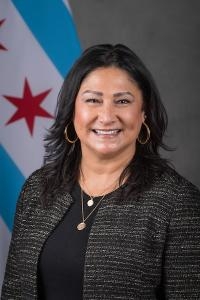 Julie Hernandez-Tomlin is the first woman to serve as First Deputy Commissioner of the Chicago Department of Water Management (DWM). With 22 years of water utility experience, she brings a comprehensive understanding of budgeting and finance, personnel, labor relations and procurement to her position. Second-in-command of one of the world’s largest water utilities, she manages the daily operations of Chicago’s water system and provides the expertise necessary for implementing the vision of the department to lead the nation in providing high quality water in a cost effective and sustainable manner.
 Paula Paciorek is the Water Programs and Education Manager for Houston Water. She is responsible for developing and guiding the strategy for water conservation efforts in Houston via the implementation of best management practices and measures and cost-effective programs within the City and through its residential, industrial-commercial-institutional (ICI) and wholesale customers. In addition, Paula is responsible for the development and implementation of resource recovery and water loss reduction strategies and measures, as well as the Drought Contingency plan.
 AWE is now offering our members discounted access to Open Channel Systems, a software platform from Radian Developers that combines business analytics with conservation and communications tools to comprehensively manage finished water. Instead of drowning in data from AMI systems, utilities now have the opportunity to systematically manage, protect, extend, and utilize these data to improve the management of water resources.
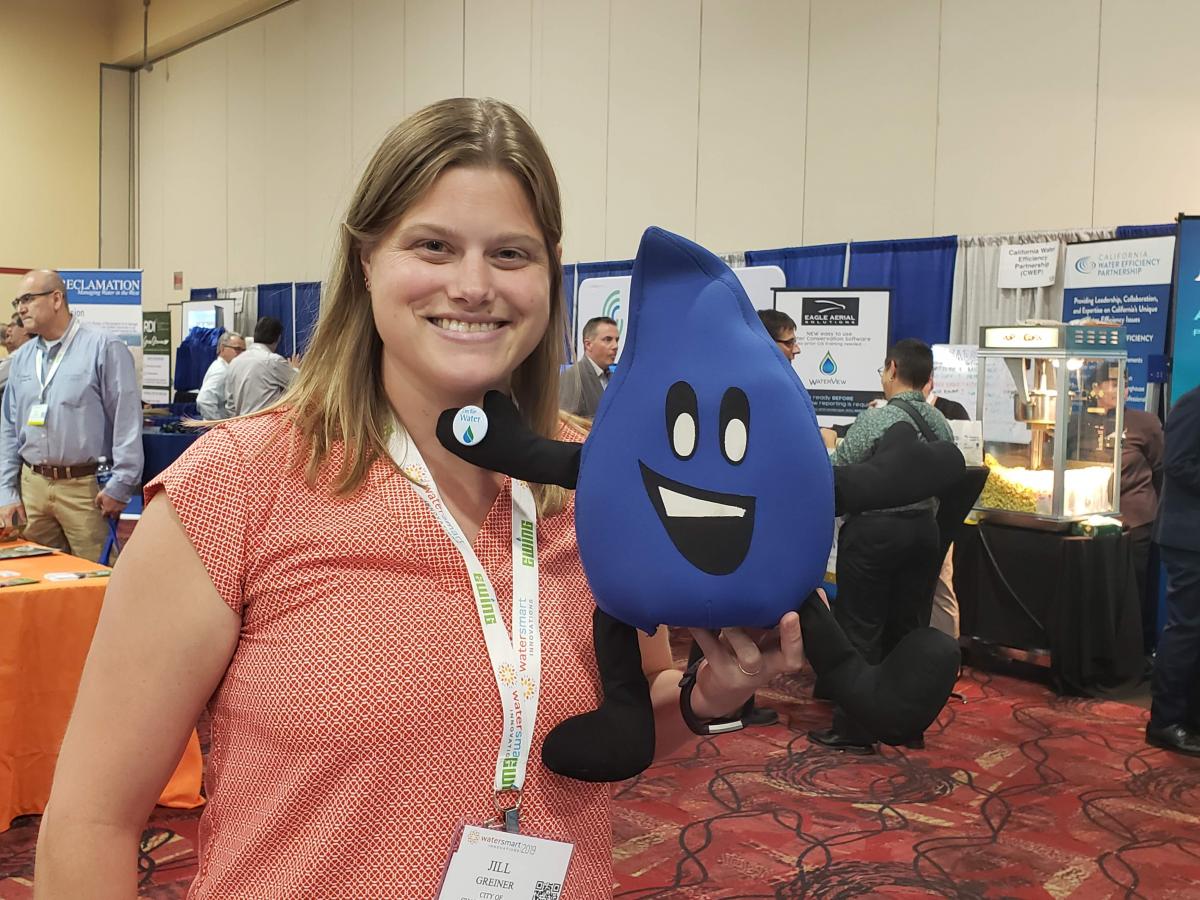 Jill Greiner is the Water Efficiency Program Coordinator at City of Charlottesville in Virginia, She is also the Chair of AWE's Education and Outreach Committee.
 AWE's
AWE's  Experts in the field of urban water efficiency and conservation are invited to submit presentation proposals for the 13th WaterSmart Innovations Conference and Exposition (WSI), slated for Oct. 6-7 in Las Vegas. Professionals, scientists, government employees, public- and private-sector institutions, policymakers, students, and all others working in an industry related to water efficiency are invited to submit a proposal for an oral presentation, panel discussion or workshop. No formal manuscript is required; however, the presentations are posted online after the conference. Abstracts for presentations must be submitted by March 2, 2021.
  Join the California Irrigation Institute for a virtual conference, February 1-2, 2021. Anyone with an interest in agricultural or urban water management should attend this conference. There will be a diverse group of attendees that includes agricultural and urban water purveyors, manufacturers, engineers, consultants and government agencies.
 Register today for the 36th Annual WateReuse Symposium, a virtual event that will include two components: Live roundtables March 15-25, 2021 (one roundtable per day), and approximately 24 pre-recorded on demand roundtable discussions that will be released on March 1.
 Experience the AWWA Annual Conference & Exposition (ACE) June 13-16, 2021. This year, because of the pandemic, you have the option to either attend in-person in San Diego, or to join virtually from your home or office.
 President Trump has signed a new Executive Order to address water infrastructure across the country, including establishing a new "interagency subcabinet" to streamline decisions. While Interior Secretary David Bernhardt claims the order will "…cut bureaucratic red tape and improve water infrastructure," critics have argued that the order simply seeks to redirect water to western farmers. In particular, there is concern about action item No. 1, a directive to "increase water storage, water supply reliability and drought resiliency." In the west, this typically means moving limited water supplies away from the environment in favor of agricultural water use.
  The Alliance for Water Efficiency awarded grants to eight organizations for the construction or improvement of educational gardens to be used to teach about outdoor water use efficiency.
 Central Arkansas Water (CAW) hired a unique employee last year to bolster the utility’s distribution system leak detection capabilities. What makes this employee unique? She’s a black Labrador mix named Vessel, and she’s the first canine in North America to serve as a leak-sniffing dog. Join AWE and CAW on December 2 at 1 p.m. CST for a webinar describing Vessel’s amazing story.
 This year's California Water Efficiency Partnership (CalWEP) Peer to Peer is going to be a little different (besides the fact that it's fully virtual, of course). Register today for Peer to Peer Reimagined, to be held December 8-10, 2020.
 AWE is proud to award its 2020 Water Star Award to Bill Hoffman! This award celebrates the "unsung hero," the quiet water conservation practitioner working in the trenches who makes a huge difference by their dedication, passion, and progressive approaches to move forward our field.
 AWE is excited to welcome Brad Spilka to the AWE team as a Program Associate! Brad will be working closely with Director of Programs, Bill Christiansen, on AWE's planning, policy analysis, research, and technical assistance projects.
 Last month the City of Hillsboro Water Department commissioned the first installation of the In-PRV pressure recovery valve from InPipe Energy, an exciting collaboration between two AWE members. The new system, which is installed at the Gordon Faber Recreation Complex, provides precise pressure management for Hillsboro Water while generating up to 200,000 kWh of electricity per year. That will amount to nearly a million dollars’ worth of electricity over the life of the project.
 Metrus Energy is a full-service project finance company, providing project development and financing services for energy efficiency, water efficiency, energy storage, electric vehicle charging infrastructure and solar projects at commercial, industrial and public facilities. Their model reduces risk, as customers only pay for realized savings with no out of pocket capital expense. This method is expressed in the latest GASB guidance, and means that projects stay off-balance sheet.
 The Bureau of Reclamation projects that Lake Powell will lose another 21 feet of water by the end of this year, leaving it at 41% of its storage capacity. Brian Richter, president of
  Congratulations to the
  AWE mourns the passing of a major force in water conservation: Warren C. Liebold, the retired Director of Metering and Conservation at the New York City Department of Environmental Protection. Warren passed away suddenly on August 10th, 2020.
 AWE is hosting a series of courses on water efficiency and conservation with the legendary Amy Vickers! The first introductory course on Water Conservation Planning will be split into two sessions to be held on September 9 and September 17, both at 1 p.m. CDT. Amy will incorporate the basic steps from her widely referenced Handbook of Water Use and Conservation and other planning sources (limited copies of The Handbook are available for $55 + $9.95 S&H).
 The United States is underinvesting in its drinking water and wastewater systems—putting American households and the economy at risk, according to a new report released today by the American Society of Civil Engineers (ASCE) and Value of Water Campaign. The report, The report, The Economic Benefits of Investing in Water Infrastructure: How a Failure to Act Would Affect the U.S. Economy Recovery, finds that as water infrastructure deteriorates and service disruptions increase, annual costs to American households due to water and wastewater failures will be seven times higher in 20 years than they are today — from $2 billion in 2019 to $14 billion by 2039.
  Matthew Scott Dickens is the Resource and Conservation Manager at
  The annual WaterSmart Innovations (WSI) conference has gone virtual for 2020. Every Wednesday from September 23-October 28, WSI will hold free, 90-minute webinars on a variety of topics including Marketing, Education, Landscaping, Conservation, and Water Loss.
 The 2020 WateReuse Symposium will launch online September 14-16 using virtual event software to offer attendees, sponsors, exhibitors, and presenters an experience very close to the experience of a live event. Participate in the Symposium from any location and at your convenience—view presentations and chat with co-attendees, including sponsors and exhibitors.
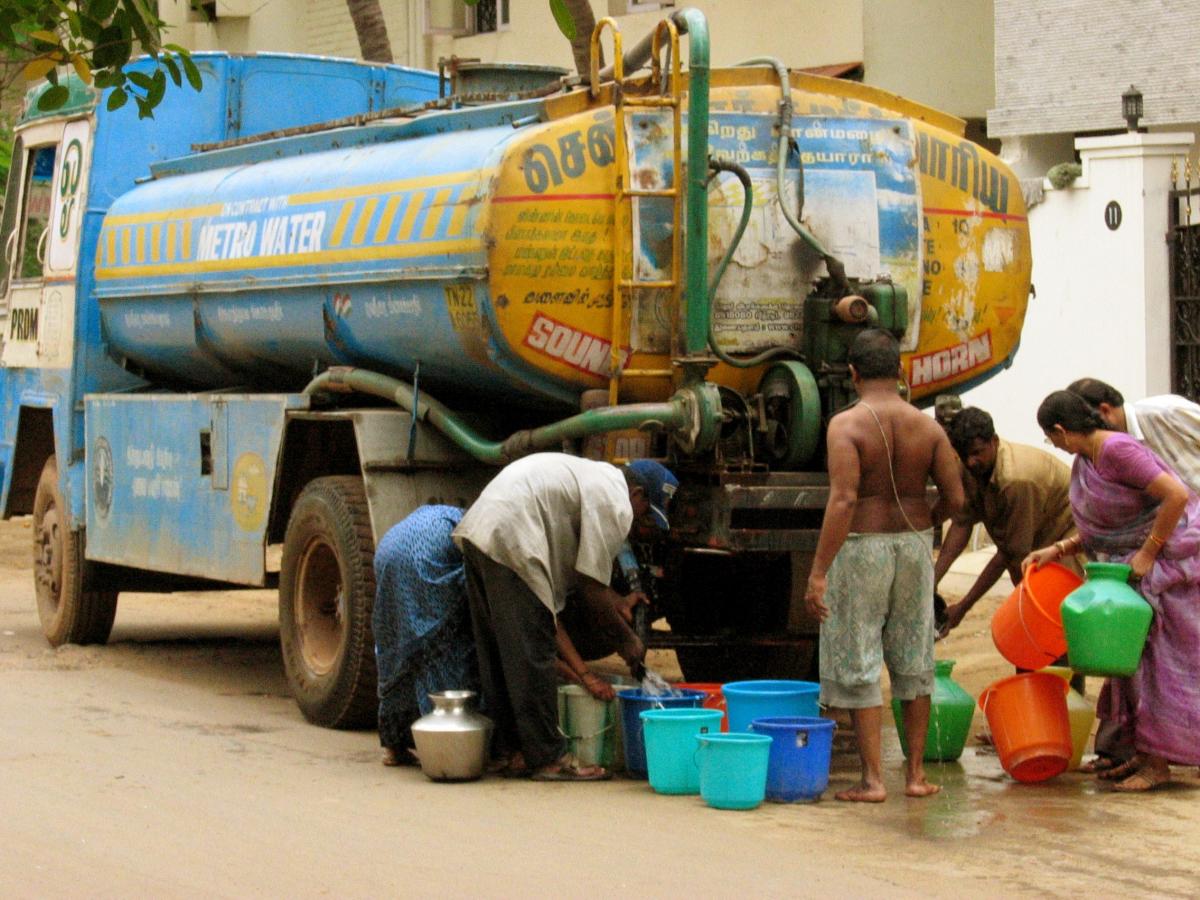 Near the end of the Spring semester at the University of Virginia—after all teaching had moved online—Brian Richter of Sustainable Waters began checking in regularly with his students to see how they were holding up under the pandemic and stay-at-home orders. Most of them had moved back into their parents’ houses for the time being, and many were clearly disappointed to have lost exciting internships, or had cancelled travel plans for the summer.
 The Alliance for Water Efficiency envisions a future with reliable and sustainable water resources, healthy ecosystems, and economically strong communities. This future is not possible in a system that does not serve all people equitably. AWE supports all those working towards a more just and inclusive society today and every day.
 The Texas Living Waters Project conducted an analysis of water conservation practices and policies of over 350 water utilities across Texas and published the results in the 2020 Texas Water Conservation Scorecard, an update to the 2016 report. The study found that while there has been some meaningful progress on a number of the evaluation criteria in the last four years, overall Texas water utilities as a group have not significantly improved their efforts on water conservation.
 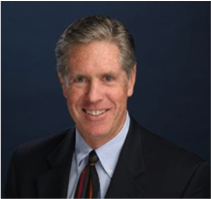 The water efficiency community lost a very valuable partner in April of this year. For over three decades, Tom Ash has devoted his life and energy to the cause of water conservation and water budget-based rates. A horticulturalist by training with a degree from Cal Poly Pomona, Tom started his conservation career at the Irvine Ranch Water District in 1991, and during his 12 years there he pioneered the concept of water budget-based rates at his agency and became the most devoted advocate in the country on its benefits. Like a true missionary, he worked with countless other water utilities on their landscape water efficiency programs and water budget-based rates over the course of his career. For 8 years he also worked with Hydropoint to promote smart weather-based irrigation controllers. He appeared before dozens of water district boards and city councils. He spoke at many water conservation gatherings, like this California Water Efficiency Partnership “Peer to Peer” conference in Anaheim in 2019. He wrote two books on water efficiency. He gave a memorable
 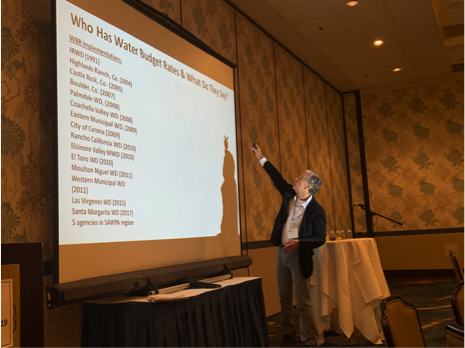 His passing is mourned by a host of water efficiency leaders, all of whom relied on his deep knowledge, his enthusiasm, and his friendship over the decades. Because Tom passed away during the COVID pandemic, his family is hoping to hold a memorial service when his colleagues and friends are able to attend and pay their respects in person. The family is also asking that donations be made to
 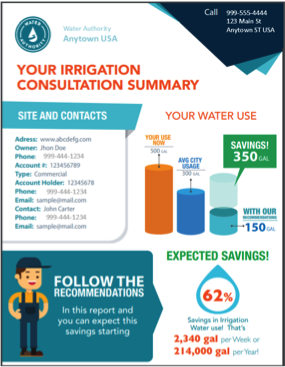 ConserveTrack
 AWE is rallying the national water efficiency network to help strongly support the WaterSense® program. Yes, the US Environmental Protection Agency (EPA) announced in a Federal Register notice that it is not making any changes at this time in WaterSense® efficiency specifications for toilets, showerheads and faucets. While that appears to be innocuous, the notice goes on to state that EPA is also seeking public comment and information on consumer satisfaction with the WaterSense® program and its labeled products. This notice, published in the Federal Register on Friday, April 10, 2020, requires that public comments be filed by June 9, 2020.
 May 5, 2020 is #GivingTuesdayNow, a new global day of giving and unity that will take place in addition to the regularly scheduled December 1, 2020 #GivingTuesday.
 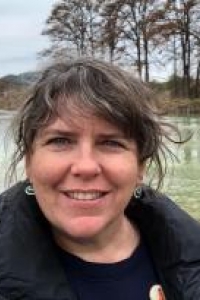 Jennifer is the Deputy Director for Texas Water Programs at the
  AWE launched a fabulous brand-new member benefit in February: discounted access to the AIQUEOUS WaterWays® Rebate Management Platform. Built on the industry-leading Salesforce.com Customer Relationship Management (CRM) system, WaterWays is a cloud-based solution for water efficiency program delivery and management, which features online rebate applications for customers and management of those rebate applications, as well as reporting summaries for the utility in a convenient dashboard format. AWE members can license WaterWays (and also WaterRebates.com if desired) at a discounted annual rate of only $3,600 per year.
  EPA’s WaterSense Program is once again launching Fix-a-Leak Week from March 16-22, and WaterSense partners from across the country are kicking off the week by tweeting #FixaLeak. You can join everyone by chirping in your own Fix a Leak Week plans or promotions. On March 18, 2020 sign up for the Joint WaterSense and ENERGY STAR Webinar: “Fix-a-Leak With WaterSense and Beat Water Waste.”
 World Water Day is March 22! This year’s theme is about water and climate change, and how the two are inextricably linked. Learn more
 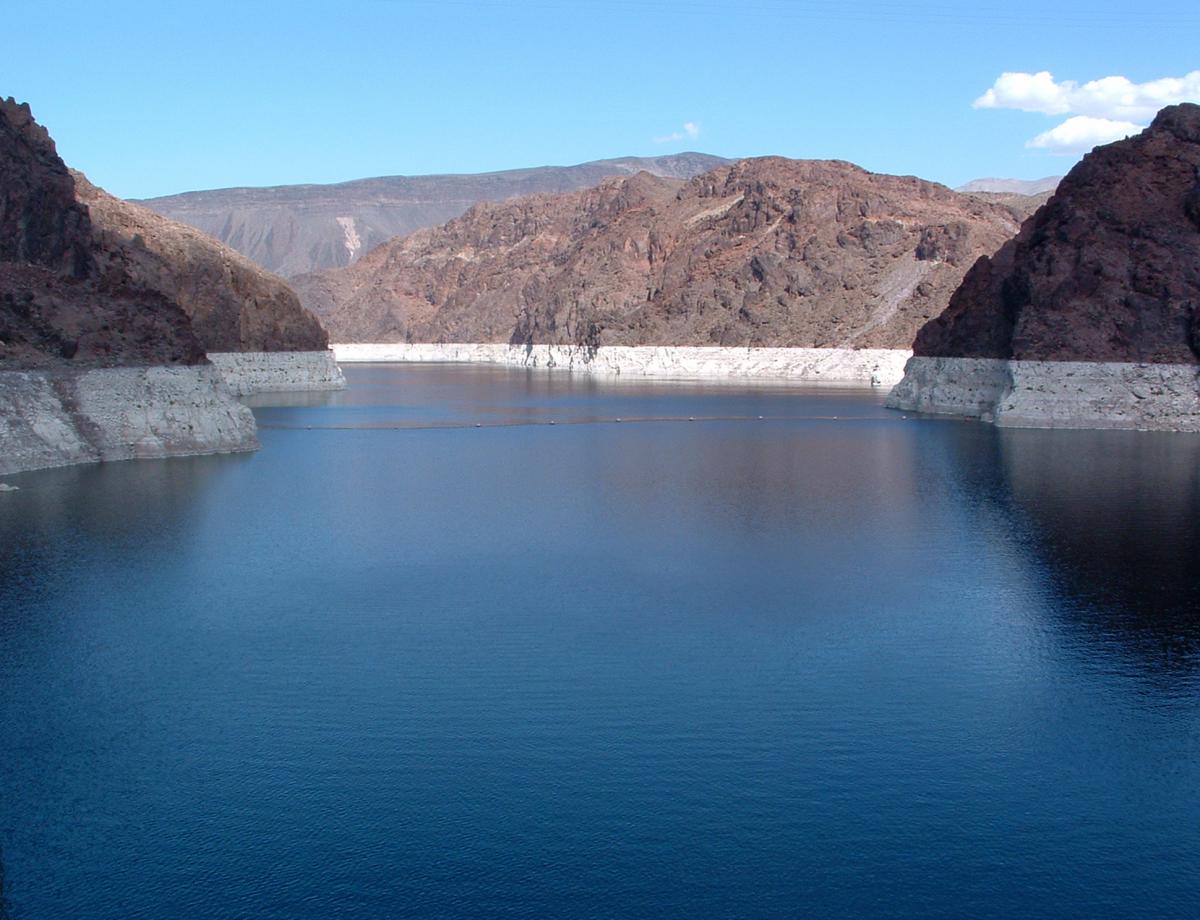 Lake Mead has reached its highest level in six years after successful efforts to slash water use and the welcome addition of snow. The increase in water supply is crucial because Lake Mead, which is fed by the Colorado River, provides water to more than 40 million people in seven states in the fast-growing Southwest. Conservation programs from utilities in the region, including AWE partners the Southern Nevada Water Authority, the Metropolitan Water District of Southern California, and the Irvine Ranch Water District, are largely responsible for the turnaround. However, water managers caution that measures such as greater use of groundwater will be needed when the reservoir likely resumes its decline in the coming decades amid population growth and a warming climate.
 AWE’s Exemplary Programs series showcases creative solutions to water utility conservation programs. On Thursday April 16 at 11 a.m. CDT we will feature two utility programs: 1) The Municipal Water District of Orange County and its regional water loss management program where MWDOC’s shared services provide their retail water suppliers flexible and cost effective access to specific water loss control technologies and expertise to improve water loss within their systems; and 2) the Southern Nevada Water Authority with its fire pumping simulator program, which recirculates the pumped water used in fire training exercises. Instead of using up to 300,000 gallons per training day, they use less than 2,000 gallons. This will be a great webinar, so watch for the registration notice.
 A new documentary film, Brave Blue World, explores how humanity is adopting new technologies and innovations to rethink how we manage water. The film reveals an optimistic future as it tells the stories of water pioneers who are implementing groundbreaking solutions to address global water and sanitation challenges.
  AWE partner Whirlpool has completed two studies on water conservation and water quality which they are willing to share with AWE members. The first study explores the savings and water quality issues associated with the ReNEWW House at Purdue, showing that water quality can vary by room and by the season.
 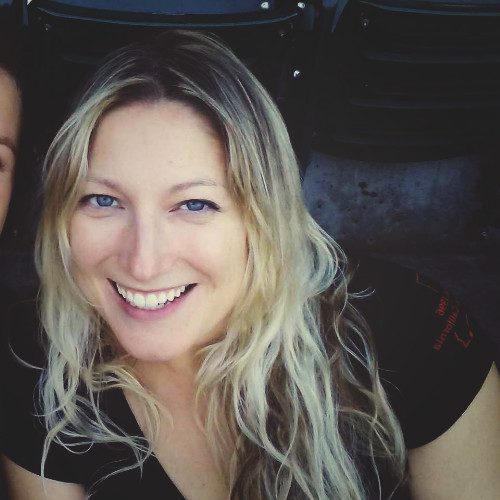 Amy Talbot is the Water Efficiency Program Manager for Regional Water Authority in the Sacramento, California region. She sits on the Board of Directors for the California Water Efficiency Partnership and the Alliance for Water Efficiency.
 Has your city, county or utility actively promoted outdoor water-use efficiency? If so, nominate your utility for a Smart Water Application Technologies (SWAT) award! These awards recognize water providers committed to promoting outdoor water use efficiency by building partnerships with landscape and irrigation professionals and engaging with end users. The application deadline is March 31, 2020.
  In July, 2018 AWE held
  Copies of the National Edition of the AWE/CalWEP Practical Plumbing Handbook are still available! This handbook, which provides basic information on how to perform preventative maintenance on fixtures in your home, is a great resource for utilities to hand out to customers. The California Edition has sold tens of thousands of copies. Pricing is as follows:
 Three State agencies in California have released a
  World Water Day, an annual United Nations day of observance that highlights the importance of freshwater, is on March 22. This year’s theme is “water and climate change” and how the two are inextricably linked.
 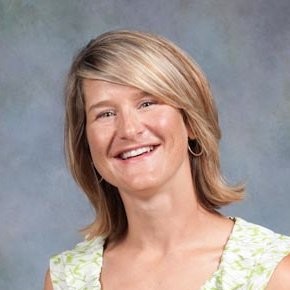 AWE’s Lacey Smith spoke with Dr. Kelly Kopp,
 For some time, AWE has been concerned about the issue of multiple showerheads in single shower stalls, and particularly how the subject is treated in green stretch codes that stress water efficiency. After some negotiation, on November 7th AWE and the Plumbing Manufacturers International (PMI) came to an agreement and signed a Memorandum of Understanding (MOU) to deal with this issue. AWE had been concerned that differing provisions were being considered at many green codes and standards venues: IAPMO’s Water Efficiency and Sanitation Standard (WE-Stand); ASHRAE’s Standard 189.1 Standard for the Design of High-Performance Green Buildings Except Low-Rise Residential Buildings; the U.S. Green Building Council’s Leadership in Energy and Environmental Design (LEED); the WaterSense® Homes specification; and other such forums. At issue was whether these green codes would potentially allow multiple showerheads that flow in excess of 2.0 gpm in shower compartments designed for only one person. The agreement reached between AWE and PMI will work to ensure water efficiency in green homes and buildings, and also work to provide harmonization of requirements in green codes and standards on this important issue.
 Together with the California Water Efficiency Partnership (CalWEP), AWE has been working on a project to enable better purchasing and implementation of Advanced Metering Infrastructure (AMI) by water utilities across North America. Released earlier this year is a
  Each year, AWE presents The Water Star Award in recognition for individual excellence in water efficiency and to celebrate the “unsung hero” who makes a significant impact by their quiet dedication, passion, and progressive approaches to move water efficiency and conservation forward.
 You have probably heard about AWE’s exciting Cooling Technology study that has been underway since January. Why is it exciting? For the most part, cooling towers are a poorly understood end use of water, and they represent a huge water savings opportunity. AWE is generating tools and resources to help its members tap into this potential and to enable utilities to take their conservation programs to the next level.
  AWE’s Lacey Smith spoke with Carl Yates, President of Yates Water Management Inc to get his unique perspective on water efficiency after he led Halifax Water in its ground-breaking programs to control water loss. Yates is the former General Manager of Halifax Water, and currently serves on the Board of Directors of AWE. This interview has been edited and condensed for clarity.
 California has been plagued with an extraordinary number of wildfires this fall, causing much damage and hardship. Strategies are being sought to help communities create defensible space landscaping to help curb wildfire damage. CalWEP’s Winter Plenary on December 11 in Santa Barbara will address this issue. Trathen Heckman, Founder and Director of Daily Acts Organization, will present the Keynote: Fire Survivor Garden Installations. In partnership with the Sonoma County Water Agency and the City of Santa Rosa, Daily Acts developed eight templates for scalable water/fire/resource resilient landscape designs. These designs are intended to expedite permit approval installation of new landscaping in areas impacted by the fire.