

Connecting water efficiency and land use practitioners to advance municipal water efficiency across the Basin.
Join the Network
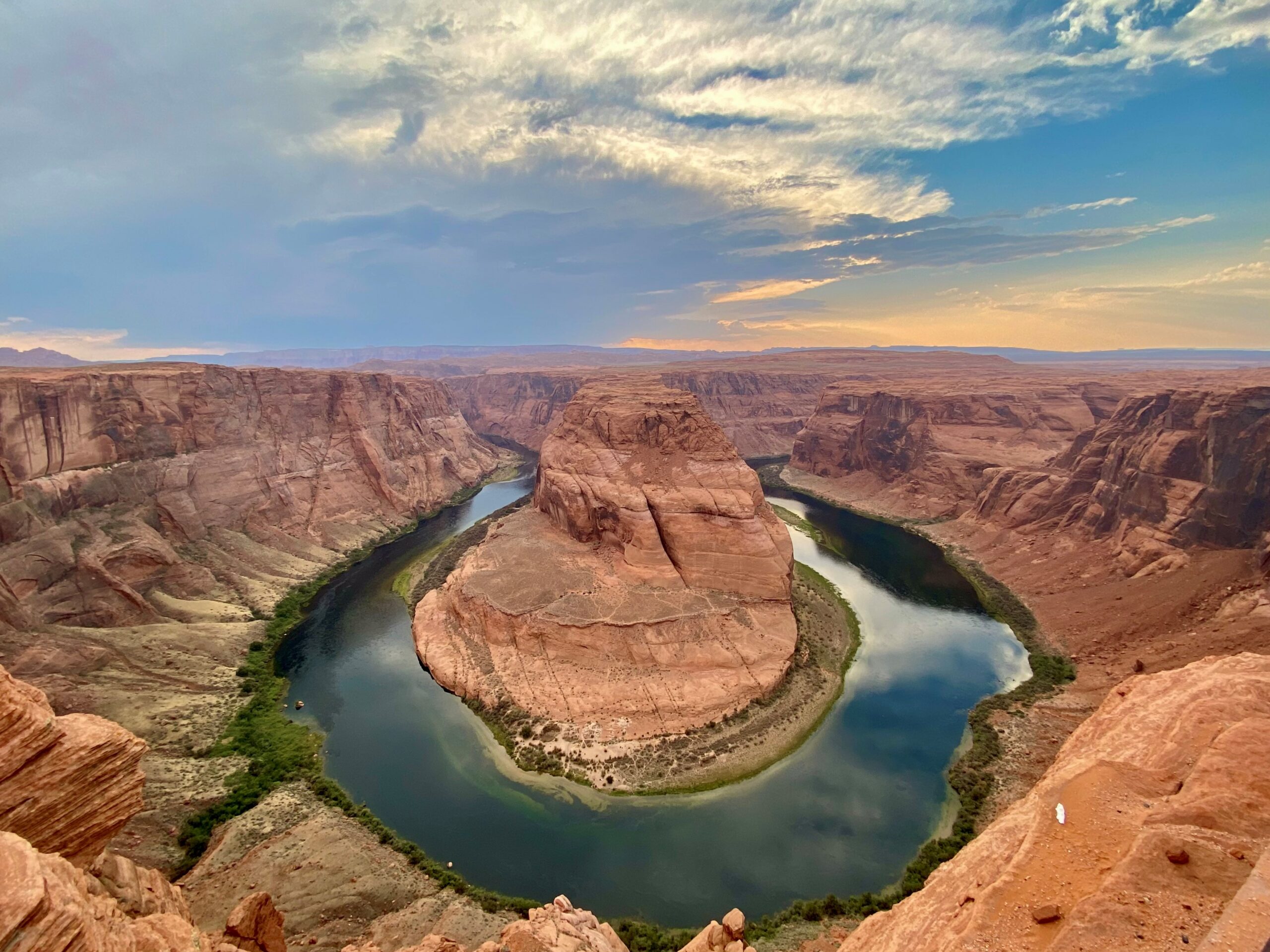
Aerial view of the Colorado River curving through red canyon walls at sunset, forming a dramatic horseshoe bend.

The Colorado River Basin faces mounting pressures as water demands continue to exceed available supplies, threatening the sustainability of communities, ecosystems, and economies that depend on this shared resource. Collaborative, basin-wide efforts to advance water efficiency and link land and water decisions are essential to addressing these challenges.  

The Alliance for Water Efficiency (AWE) and the Babbitt Center for Land and Water Policy have partnered together to integrate water management with land-use planning, advancing sustainability in the Colorado River Basin and across the West through the Colorado River Basin Water Efficiency Network.

Practitioner-Centered

Focused on applied work & implementation experience

Trust-Based

Designed to foster open, respectful dialogue

Balanced & Diverse

Representation across Basin states, sectors, and perspectives

Learning-Oriented

Emphasizing shared problem-solving and peer exchange

About the CRB Network

CRB Network Objectives

The Network brings together water and land use professionals from across the Basin to:

  • Explore emerging challenges and opportunities related to water efficiency, demand management, water reuse, and integrated water and land use
  • Support coordination and alignment on strategies implemented across the Basin
  • Share real-world implementation experience, tools, and lessons learned
  • Learn from peers working in different geographies and contexts
  • Build trusted relationships among Colorado River Basin water efficiency and land use practitioners
Note: The CRB Network is not a forum for Colorado River negotiations or advocacy and will not make policy recommendations. Instead, it is designed to support practical implementation, applied learning and research, and collaboration around innovative strategies, resources, and partnerships that accelerate water resiliency in the Basin. 

Content Focus Areas

Network discussions and learning opportunities may include:

  • Water efficiency, conservation, and reuse implementation 
  • Cross-sector and cross-jurisdictional case studies   
  • Integrative water/land use planning and management  
  • Non-functional turf replacement programs and outcomes  
  • One Water approaches  
  • Emerging demand drivers (e.g., data centers, energy, growth pressures)  
  • Data, metrics, and decision-support tools  
  • Timely topics of interest to Network participants  

Who the Network Is Designed For

The Network is particularly well-suited for individuals and organizations that: 

  • Work directly on water efficiency, conservation, and land use planning   
  • Represent municipal utilities, water providers, land use agencies, Tribes, state departments, universities, and other stakeholders  
  • Engage at the intersection of water, land use, growth, infrastructure, economic and community development  
  • Are interested in learning from peers across the Basin   
  • Can contribute practical insights, case studies, tools, or lessons learned  

Participation Expectations & Norms

The CRB Network is a trust-based, practitioner space. Participation is contingent on a shared commitment to the following expectations:  

  • Attend quarterly virtual Network-wide meetings consistently, recognizing there will be occasional conflicts  
  • Engage actively through discussion, chat, or small-group conversations  
  • Participate in optional learning cohorts, trainings, or workshops (virtual and in person)  
  • Respect the Network’s scope and purpose, including 
    • Focusing on implementation and shared learning  
    • Avoiding negotiation-oriented or advocacy-driven discourse 
  • Contribute to a culture of respect, curiosity, and collaboration  

Participation Costs

No Cost

  • AWE Members*
  • Tribal Nations
  • Under-resourced or DAC-serving organizations
*For public water utilities that are AWE members, participation may extend to relevant land use or planning staff
within the same organization

$500 Annual Participation Fee

  • Non-AWE Members (fee waivers available upon request)

Learn more

Get in touch with AWE and the Babbitt Center.

Contact Us.